Cannabis Strain Library Offering Effects and Traits


In an era of rapid legalization and destigmatization, use of reliable data regarding cannabis use is paramount. A cannabis strain library provides as a vital academic source, linking the distance between botanical research and consumer experience. By saving the initial substance pages of various cultivars, these strain database enable users to create educated, responsible choices rather than depending on anecdotal evidence or advertising hype.
To steer that complex landscape efficiently, it is vital to understand the info factors and scientific axioms that underpin an effective strain library.
What is the primary purpose of a cannabis strain library ?
At their primary, a strain library functions as a thorough database made to list the genetic and substance traits of cannabis cultivars. While advertising usually focuses on different names, a professional library prioritizes the "chemotype"—the particular compound footprint of the plant.
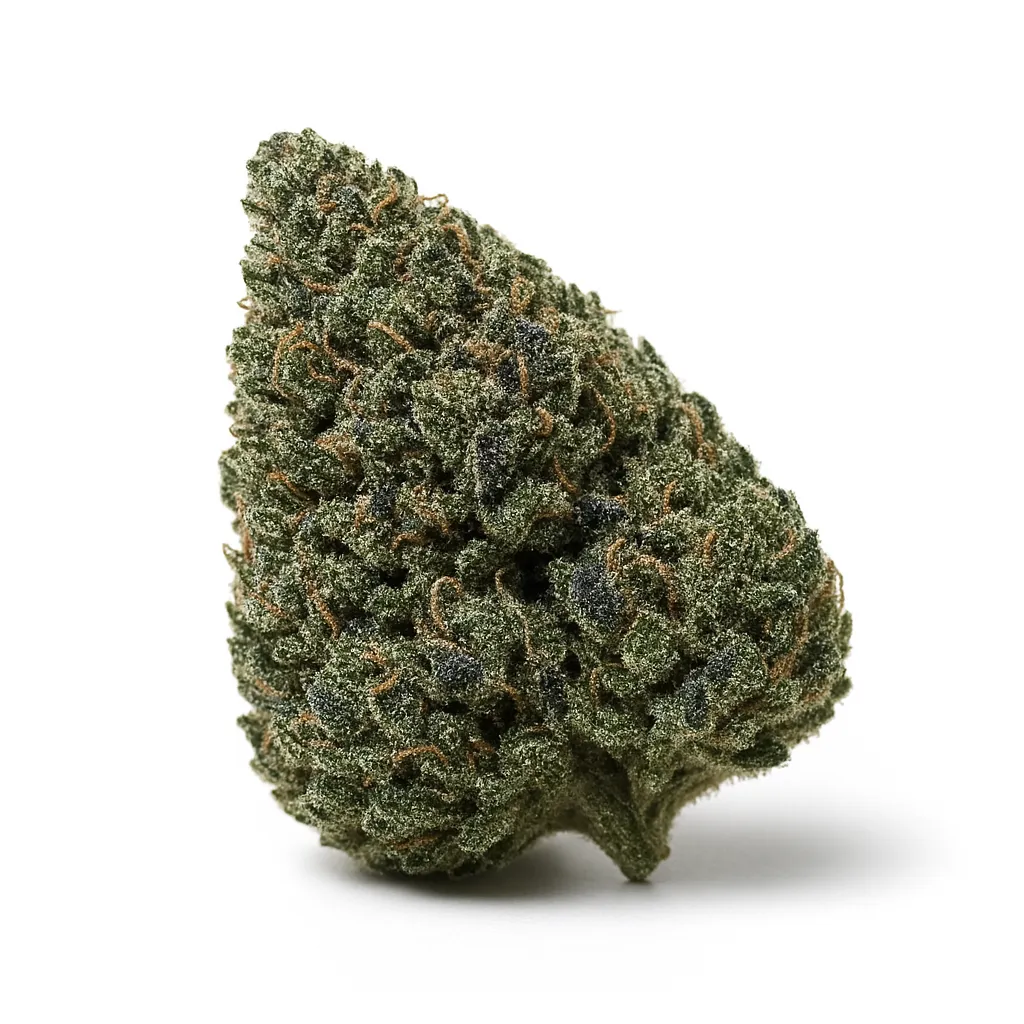
That data-driven method shifts the concentration from recreational uniqueness to academic utility. Customers may identify particular attributes, such as for example potential therapeutic advantages or psychoactive intensity, allowing for a better and more estimated experience.
How can knowledge cannabinoids contribute to responsible use?
Responsible consumption begins with understanding efficiency and chemical composition. Cannabis crops contain over 100 various cannabinoids, but the two most statistically significant substances within strain libraries are Tetrahydrocannabinol (THC) and Cannabidiol (CBD).
THC Dominance: Strains with large THC proportions (often including 15% to around 30%) are associated with solid psychoactive effects. Libraries track these figures to greatly help consumers avoid overconsumption.
CBD Ratios: Strains with larger CBD content in many cases are wanted for healing programs with no extreme "high."
Balanced Users: Information suggests that a 1:1 percentage of THC to CBD can mitigate adverse effects like panic, supplying a more balanced knowledge for beginner users.
By reviewing these mathematical users, people can custom their variety to their specific tolerance degrees and desired outcomes.
Why are terpenes statistically substantial in strain classification?
Contemporary cannabis education has transferred beyond the straightforward "Indica vs. Sativa" dichotomy. Strain libraries now position heavy increased exposure of terpenes—the fragrant oils accountable for the plant's fragrance and flavor.
But, terpenes aren't more or less scent; they modulate the physiological effects of cannabinoids via a phenomenon called the "entourage effect." As an example, a strain high in the terpene myrcene (often within surplus of 0.5% by weight) is statistically correlated with sedative effects, whether or not the place is labeled an Indica or Sativa. Alternatively, limonene is related to raised mood and energy. A responsible learner employs terpene information to anticipate outcomes more correctly than relying on broad categories.

What role does lab screening perform in library precision?
The integrity of a cannabis strain library depends completely on third-party lab testing. Qualified libraries blend information from Records of Evaluation (COAs), which validate the lack of pesticides, mold, and large materials while canceling the cannabinoid and terpene percentages.
For the responsible consumer, that information is non-negotiable. It assures that the item being taken is safe and that the efficiency matches the label. Academic methods that depend on lab-verified data promote a culture of visibility and protection standards within the industry.
Realization
A cannabis strain library is higher than a listing of products and services; it's an essential software for harm decrease and botanical education. By analyzing the statistics regarding cannabinoids and terpenes, people may transfer away from guesswork and toward a standardized, knowledgeable method of cannabis use. Whether for medical requisite or person use, responsible learning starts with reliable data.